


Dec 05,2025 / CABINETS
Modern vs Traditional Kitchen Layouts: Key Remodel Choices
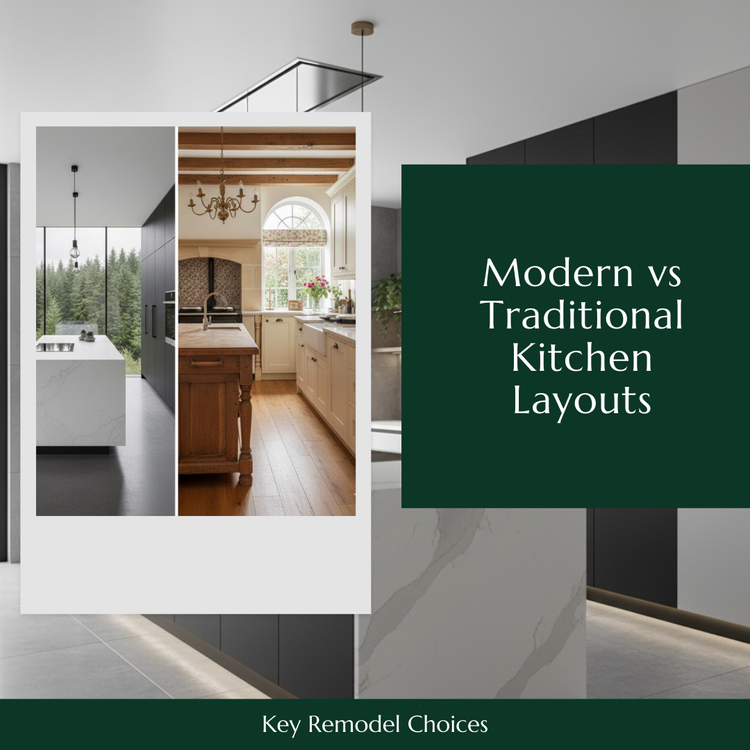
Modern and traditional kitchens each offer unique advantages that shape workflow, storage, material selections, and overall remodeling costs. Modern layouts focus on open spaces, modern kitchen design, natural light, and integrated kitchen storage solutions.
Traditional kitchens emphasize handcrafted finishes, defined zones, and warm, tactile materials. These distinctions influence every design choice from countertop selection to how appliances, cabinetry, and sinks fit within the layout.
In this blog, I will cover all key topics related to modern vs. traditional Kitchen layouts, including sinks, countertops, cabinetry styles, islands, backsplash choices, hardware trends, and overall kitchen workflow so you can make the right decision for your remodel.
Modern vs. Traditional Layouts: What’s the Main Difference?
Modern kitchens focus on open layouts, integrated storage, and minimalism, while traditional kitchens highlight compartmentalized zones, handcrafted finishes, and natural materials.
Modern designs often rely on natural light, open sightlines, and clean cabinetry that reduces visual clutter. In contrast, traditional layouts create separated functional zones with warm textures and detailed woodwork, giving the space a classic, timeless feel.
Quartz countertops, farmhouse sinks, and soft-close hardware fit smoothly into both styles but the way they are used differs. Modern kitchens use these elements for streamlined efficiency, while traditional kitchens emphasize character, texture, and craftsmanship.
Open Plan Kitchens Benefits And Drawbacks
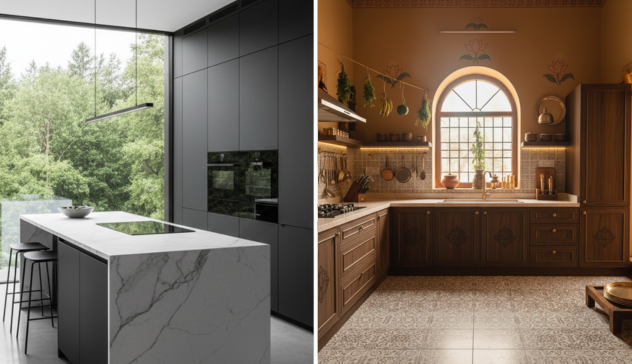
Open-plan kitchens have become a popular choice in modern home remodeling because they create a bright, spacious, and connected living environment by removing unnecessary walls. These layouts encourage smoother movement and can make the kitchen feel like the social heart of the home. There are, however, a few practical considerations of this style you should be aware of before choosing.
Benefits
- Better natural light throughout the space
- Seamless connection between cooking and social areas
- Cleaner countertops thanks to built-in appliances
- Flexible layouts for islands, seating, and work zones
Open layouts are ideal if you love an interactive, airy kitchen. But if you prefer privacy, defined zones, or quieter surroundings, a traditional segmented design may suit you better.

How Do Farmhouse Sinks Fit Modern Layouts
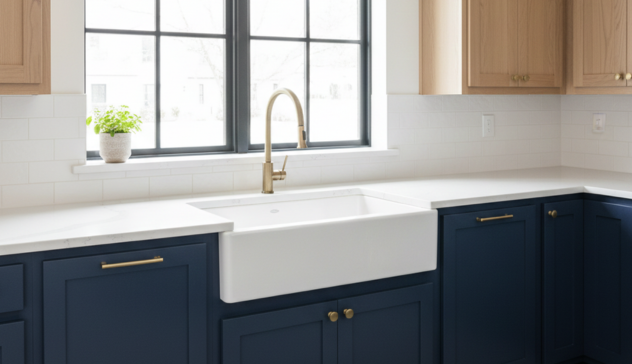
Farmhouse apron-front sinks now function well in both modern and open-concept kitchen layouts. Deeper basins provide enhanced ergonomics, especially when accompanied by pendant or under-cabinet lighting. Installation style, apron-front or undermount, is related to the countertop material, such as quartz or granite. These timeless elegance of Farmhouse Sinks can be paired with modern hardware to maintain a visual balance.
Tile or porcelain floors improve moisture control and make cleaning easier, while updated plumbing options allow farmhouse sinks to work even in compact small kitchen layouts.
Kitchen Sink Design
- Countertop materials influence the choice between apron-front and undermount sink installations, affecting cabinet modifications for support.
- Laminate doors with modern hardware in custom cabinetry maintain style and functionality without sacrificing space.
- Tile flooring near sinks aids in moisture control and enhances cleaning efficiency, promoting kitchen durability.
- Deeper basins combined with pendant lighting improve ergonomics and utility in food preparation areas.
Quartz vs. Granite Countertops: Which Is Better?
Quartz countertops use engineered stone and resins, making thinner slabs ideal for modern minimalist kitchens and open shelving. Quartz is non-porous, stain-resistant, and does not require sealing.
Quartz is non-porous, stain-resistant, and does not need to be sealed. Granite-a type of natural igneous rock with exceptional mineral patterns-is an excellent choice for classic and rustic kitchen designs. While it requires periodic sealing, it offers higher heat tolerance. Both materials pair well with different kitchen cabinet styles, but quartz tends to work best in modern rooms, while granite accentuates the organic aesthetic of the space.

Exploring Cabinetry Styles In Kitchen Remodels
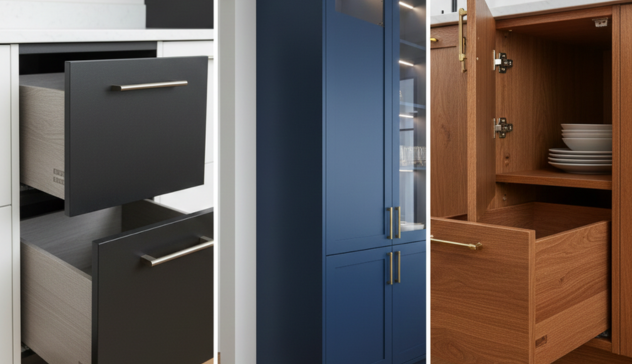
Engineered plywood offers better resistance to moisture, which is essential in the kitchen with heat-emitting appliances. The two-tone cabinets provide a separation without actual physical dividers. Solid construction techniques, such as those utilizing dovetail joints, have more strength and longevity compared to those with nail assemblies.
Modern hardware features for quieter operation, including soft-close hinges, hidden sliders, fingerprint-resistant finishes, and strong polymer additives.
Finish selection also impacts cleaning ease, smudge resistance, and long-term appearance. Proper ventilation placement helps to protect cabinet materials from compromising their structural or aesthetic integrity.
Essential Details to Keep in Mind
- Engineered plywood improves moisture resistance, protecting cabinetry in humid kitchen environments.
- Twotone cabinets create visual depth and spatial division without physical barriers.
- Dovetail joints offer superior durability compared to basic nail assemblies, enhancing cabinetry longevity.
- Soft-close hinges and concealed sliders reduce mechanical wear and noise, extending hardware lifespan.
What Are The Advantages Of Kitchen Islands
Quartz countertops use engineered stone and resins, allowing thinner slabs that work well for modern minimalist layouts and open shelving. Quartz is non-porous, stain-resistant, and does not require sealing.
Granite, a natural igneous rock with unique mineral patterns, is a strong choice for classic and rustic kitchen designs. It needs periodic sealing but provides higher heat tolerance and a more organic appearance.
Both materials pair well with different cabinetry styles, but quartz suits modern rooms with clean lines, while granite enhances warm, natural, and traditional spaces.
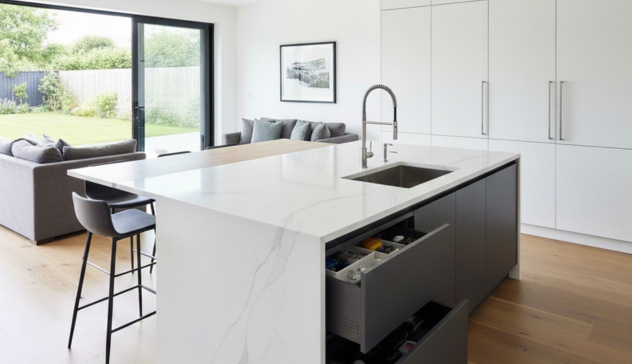
Built-In Appliances Impact On Kitchen Workflow
Built-in appliances help streamline movement throughout the kitchen and free up counter space, making cooking tasks more efficient. Sturdy, durable flooring is often placed around these high-traffic zones to withstand constant use.
Coordinating appliance finishes with surrounding cabinetry creates a seamless, cohesive look. Glass-front cabinets positioned near ovens or dishwashers provide quick access to tools and ingredients while maintaining open sightlines.
Moisture-resistant materials and laminate countertops help protect nearby surfaces from daily wear, preserving an organized, functional, and long-lasting workspace.

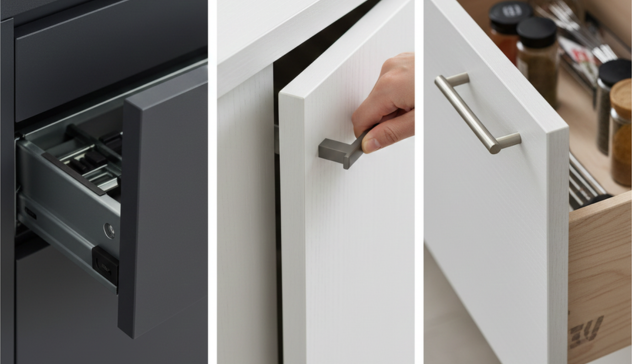
Hardware Trends & Soft-Close Drawer Systems
Advanced soft-close drawer systems use damping technology to reduce noise and minimize mechanical wear. Adaptive resistance mechanisms ensure smooth closing, no matter the drawer’s weight.
Modern hardware trends focus on fingerprint-resistant finishes and polymer-steel materials that resist corrosion in moisture-prone areas. Recessed handles also support clean, space-saving designs.
These upgrades improve everyday functionality while blending well with both rustic and contemporary cabinetry styles.
Kitchen Ergonomics In Layout Optimization
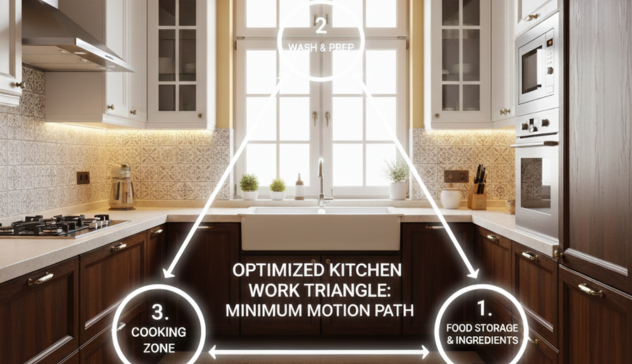
Optimizing a kitchen layout enhances functional flow by strategically dividing work zones such as prep, cooking, and cleaning, effectively reducing unnecessary steps and improving task efficiency. Incorporating customized countertop and cabinet heights tailored to individual users mitigates repetitive strain and elevates overall comfort, with kitchen zoning playing a significant role in this adjustment.
Appliance placement taking hand dominance into consideration greatly enhances accessibility and user experience, a nuance often overlooked in standard configurations featuring ceramic tile backsplash.
Incorporating pullout shelves positioned at ergonomically suitable heights decreases the need for excessive bending, promoting safer access to stored items and prolonging usability.
Advanced layouts adjust work triangle dimensions to accommodate diverse mobility requirements, deviating from traditional fixed measurements commonly used alongside kitchen cabinetry finishes. Collectively, these features create a balanced environment that supports both safety and productivity without compromising aesthetic appeal or material quality.
Modern and traditional kitchen layouts each offer distinct benefits, and choosing the right one depends on how you cook, move, and use your space every day. This blog breaks down the key differences—covering layouts, cabinetry, countertops, sinks, islands, hardware, and workflow—so homeowners can make confident remodeling decisions. From open modern kitchens with integrated storage and quartz surfaces to classic designs with defined zones, granite countertops, and detailed cabinetry, Express Kitchens helps you balance style, function, and durability. With expert guidance on materials, ergonomics, and layout optimization, this guide shows how the right kitchen design can improve efficiency, comfort, and long-term value.
Frequently Asked Questions (FAQ's)
1. What is the main difference between modern and traditional kitchen layouts?
Modern kitchens focus on open layouts, clean lines, integrated storage, and minimal visual clutter. Traditional kitchens emphasize defined zones, warm materials, detailed woodwork, and a more classic, handcrafted look.
2. Are farmhouse sinks better for modern or traditional kitchens?
Farmhouse sinks work beautifully in both styles. In modern kitchens, they add a clean, functional focal point, especially when paired with quartz or granite. In traditional designs, their apron-front charm blends naturally with warm, classic cabinetry.
3. Which countertop material should I choose quartz or granite?
Choose quartz if you prefer low-maintenance, non-porous surfaces, and a consistent modern aesthetic. Choose granite if you want natural stone patterns, higher heat resistance, and a more classic or rustic look.
4. Do open-plan kitchens reduce storage space?
Yes, open-plan layouts usually offer fewer upper cabinets because of fewer walls. However, this can be balanced with kitchen islands, pullout pantries, tall cabinets, and smart integrated storage solutions.