


Nov 06,2025 / CABINETS
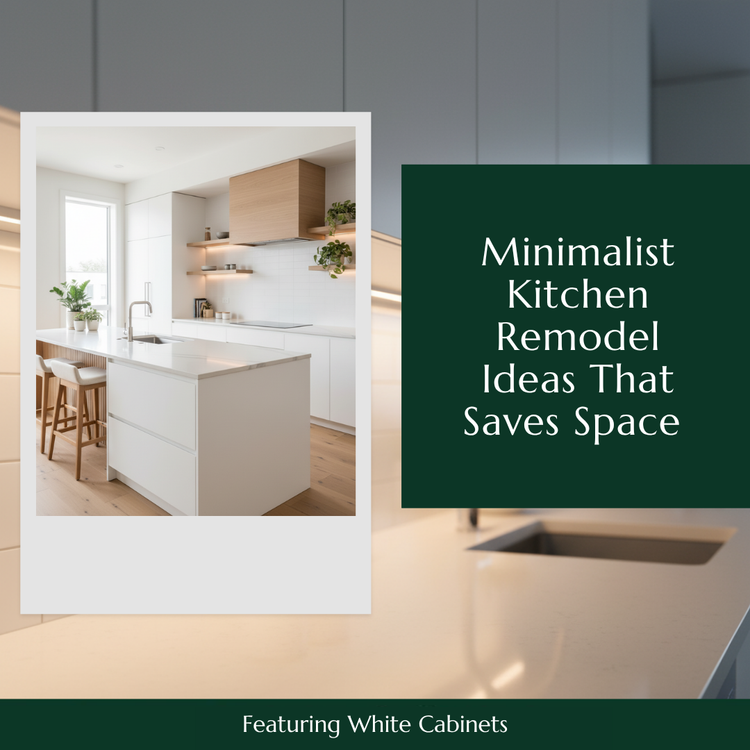
Minimalist Kitchen Remodel Ideas That Save Space Featuring White Cabinets
Durability and clean lines characterize modern cabinetry, often constructed with plywood featuring subtle finishes that resist warping over time. Quartz countertops enhance these kitchens by offering smooth, low-porosity surfaces ideal for compact layout maintenance.
Integrating vertical dividers alongside under-cabinet racks maximizes storage capacity while preserving a clutter-free environment essential for spacesaving kitchen design.
Natural wood tones, such as white oak, introduce warmth and texture without disrupting the minimalist aesthetic.
These material selections and layout strategies create an efficient and visually balanced space that supports streamlined cabinetry principles.
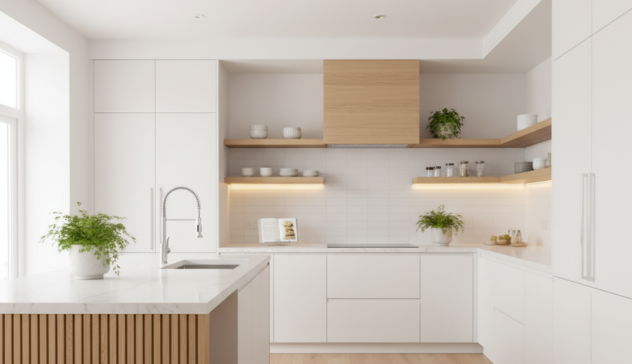
Spacesaving Kitchen Design Tips For Minimalism
Utilizing vertical storage unlocks additional kitchen capacity by exploiting often ignored wall surfaces, while builtin appliances integrated behind matte finish cabinets maintain an uncluttered appearance and optimize usability. Modular systems enhance adaptability through features such as fold-out counter extensions, which temporarily increase workspace without permanent alterations.
Softclose drawers minimize noise and wear, promoting longevity within minimalist interiors.
Concealed compartments placed above cabinetry offer discreet storage for seldom-used items, preserving clean countertops.
Pull-out pantries help conceal bulkier goods, supporting a streamlined environment. These practical solutions combine modern fixtures with inventive storage strategies, ensuring efficient use of space harmonizes with minimalist design principles.
How To Create A Compact Layout In Kitchens
Efficient design strategies often involve spatial zoning, which separates preparation, cooking, and cleaning areas to streamline workflow and minimize movement. Incorporating corner storage optimizes frequently neglected areas, significantly increasing usable space within compact kitchens.
Multifunctional islands combine storage and work surfaces, providing versatile utility while maintaining a minimal footprint.
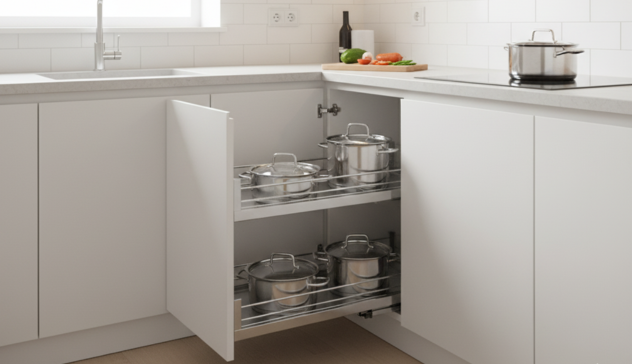
Pullout pantry units enhance vertical space accessibility and improve organization without compromising sleek aesthetics.
Strategically placed undercabinet lighting boosts task visibility, reducing reliance on overhead fixtures and preserving valuable counter space. Utilizing innovative materials like engineered plywood with thinner profiles subtly increases storage capacity without bulk.
Applying a triangular workflow concept reduces travel distance among primary zones, an approach often underutilized during renovations. These elements collectively reduce clutter and elevate functionality, complementing the principles outlined in prior sections about spacesaving kitchen designs focused on minimalist living.
Efficient Kitchen Design
- Spatial zoning separates preparation, cooking, and cleaning areas to streamline workflow and minimize movement.
- Corner storage utilizes often neglected spaces, significantly increasing usable storage in compact kitchens.
- Multifunctional islands provide both storage and work surfaces, maximizing utility while saving space.
- Pullout pantry units improve vertical space accessibility and organization without compromising kitchen aesthetics.
Benefits Of Streamlined Cabinetry In Small Spaces
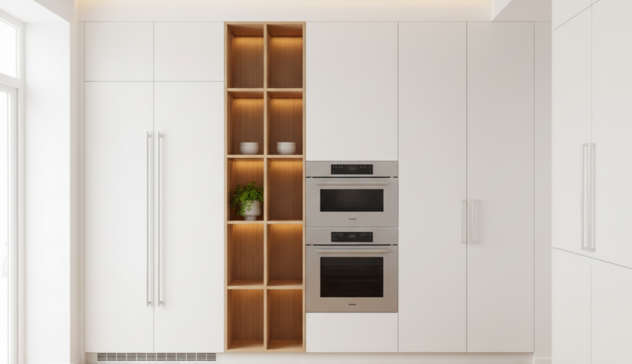
Optimizing storage in confined kitchens involves custom designs that integrate refrigerator panels, creating a cohesive appearance by blending appliances seamlessly within cabinetry. Precise measurements enable the formation of slim compartments, which minimize wasted space and maximize storage efficiency horizontally and vertically.
Employing ecofriendly materials enhances durability while supporting sustainable practices, contributing to healthier indoor environments.
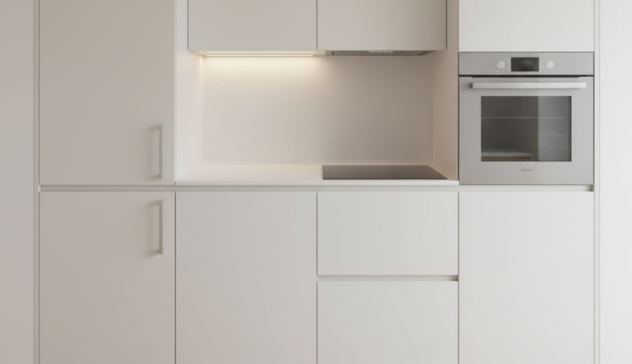
Incorporating a seamless backsplash alongside clean, flat-front cabinet doors reduces visual distractions, promoting a more open and uncluttered atmosphere.
Utilizing a monochrome palette throughout cabinetry and walls fosters unity, making compact kitchens feel more spacious and orderly.
Can Open Shelving Enhance Minimalist Kitchens
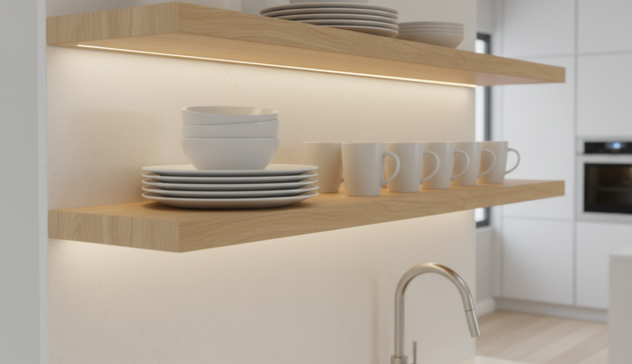
Exposed shelving serves as an alternative to closed upper cabinetry, allowing natural light to circulate freely and visually expanding compact cooking areas. Hardwood flooring often complements natural wood shelving, reinforcing a cohesive aesthetic while adding warmth to the environment.
Metal brackets used to support shelves impact both longevity and style, contributing to a sleek, industrial feel favored in minimalist designs.
Open shelves promote deliberate curation and organization of kitchen essentials, which helps minimize clutter more effectively than enclosed cabinets.
Wallmounted pot racks positioned nearby enhance utility by offering accessible storage without disrupting clean sightlines. Regular upkeep is necessary since exposed surfaces tend to accumulate dust and require routine cleaning to maintain a polished look.
Thoughtful arrangement transforms underused walls into practical storage zones without sacrificing simplicity or balance inherent to minimalist interiors.
Exposed Shelving in Kitchens
- Exposed shelving allows natural light to circulate freely, visually expanding compact cooking areas.
- Hardwood flooring complements natural wood shelving, adding warmth and a cohesive aesthetic.
- Metal brackets contribute to shelf longevity and add a sleek, industrial style favored in minimalist designs.
- Open shelves encourage deliberate organization, minimizing clutter more effectively than enclosed cabinets.
Choosing Quartz Countertops For Minimalist Kitchens
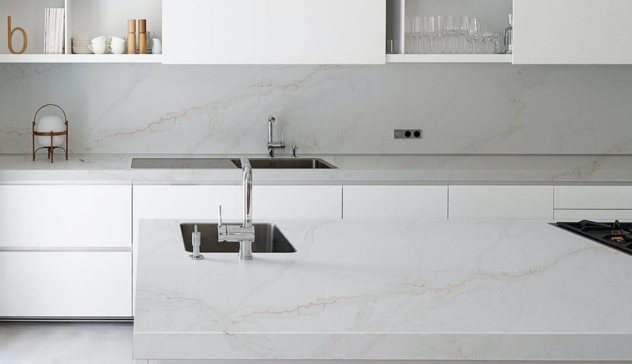
Engineered surfaces made by combining crushed mineral fragments with polymer resins offer remarkable durability, resisting stains and inhibiting microbial growth unlike many natural stone surfaces. Precise fabrication techniques allow for minimal seams, maximizing usable countertop space which is particularly advantageous when paired with glassfront cabinets in minimalist kitchens.
Maintenance requirements remain low since these surfaces repel moisture and heat more effectively than butcher block countertops, reducing upkeep frequency.
The consistent appearance of these materials supports clean, streamlined lines that complement industrial design elements by avoiding visual clutter.
Quartz slabs exhibit greater flexibility and reduced weight compared to traditional stone, enabling innovative overhangs and edge profiles that enhance spatial flow within compact layouts. These attributes create a balanced integration with vintage hardware and open shelving concepts previously explored, fostering harmony before addressing the integration of builtin appliances for space saving.
Integrating Builtin Appliances For Space Saving
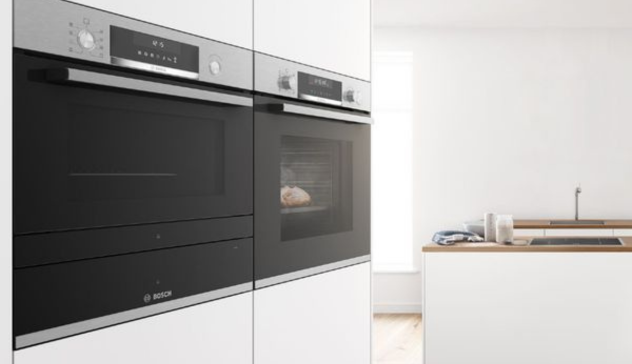
Kitchen zoning benefits considerably from appliances designed to integrate within cabinetry, enhancing spatial efficiency without sacrificing style. Compact dining nook arrangements often complement these installations, enabling a cohesive environment where minimalist pendant lighting accentuates clean lines.
Certain ovens and microwaves incorporate advanced air-circulation channels behind panels, mitigating heat transfer while preserving the sleek aesthetic of tile flooring.
The use of engineered plywood or white oak panels allows appliances to remain concealed, maintaining structural strength and contributing to energyefficient appliances' performance.
Specialized drawer refrigeration units and slimline dishwashers provide space-saving alternatives frequently overlooked during kitchen zoning planning. Flush-mounted controls combined with proper ventilation strategies minimize clutter, extending the lifespan of built-in units.
Select refrigeration models feature adaptive shelving systems designed to accommodate varying storage requirements, reflecting cutting-edge innovation tailored to modern minimalist pendant lighting settings.
Using Modular Systems With White Cabinets
Efficient kitchen organization benefits from modular components engineered with precise dimensions to support optimized workflows. Utilizing hidden appliance storage within these frameworks preserves the clean lines typical of craftsmanship, while ergonomic layouts enhance usability.
Components crafted from plywood provide enhanced moisture resistance, which complements white oak cabinetry known for its durability and aesthetic appeal.
Incorporating a dual basin sink within the modular design further maximizes available space without compromising task sequencing.
These adaptable configurations can expand functional volume by as much as 25%, harmonizing with elements like stainless steel sinks or recycled wood accents to maintain a cohesive and contemporary kitchen environment.
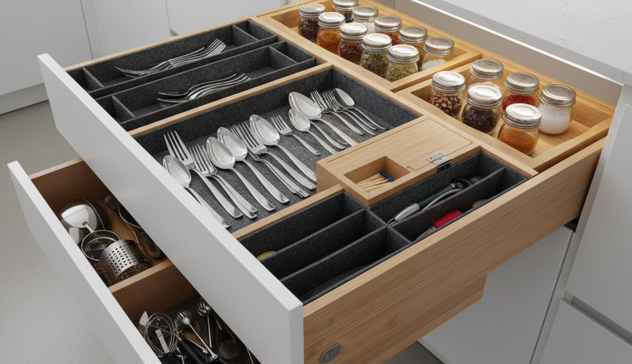
How Do Undercabinet Lighting Improve Kitchen Functionality
Task lighting positioned beneath upper cabinetry significantly improves user precision by removing shadows commonly cast on clutterfree countertops during food preparation. LED technology incorporated within these fixtures offers a high-efficiency lighting solution, consuming considerably less electricity compared to traditional incandescent or fluorescent bulbs, thereby optimizing energy use within kitchen environments.
When installed near matte black fixtures or adjacent to wall ovens, these light sources maintain a sleek visual profile that complements openconcept design while enhancing workspace illumination.
Adjustable color temperature settings enable subtle shifts in ambiance, highlighting backsplash materials and contributing to aesthetic customization.
Strategically placed illumination also supports ergonomic workflow by making kitchen cart storage zones more visible and accessible, reducing the risk of accidents by expanding perceived workspace boundaries without increasing physical clutter.
Task Lighting in Kitchens
- LED task lighting consumes significantly less electricity than incandescent or fluorescent bulbs, enhancing kitchen energy efficiency.
- Placement of lighting beneath upper cabinetry reduces shadows on countertops, improving precision during food preparation.
- Adjustable color temperature settings allow for ambiance customization and can highlight backsplash materials effectively.
- Strategic illumination increases visibility in kitchen cart storage areas, improving ergonomic workflow and safety.
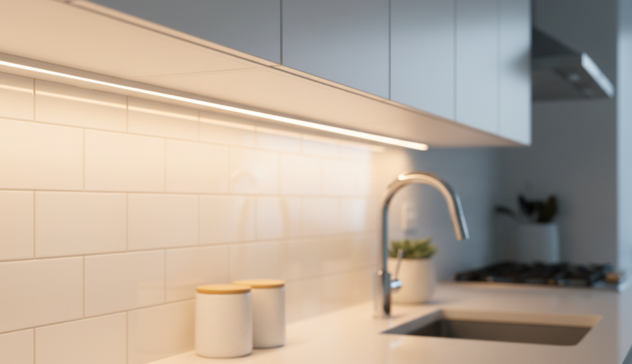
Maximizing Corner Storage In Minimalist Remodels
Efficient use of deep cabinet corners frequently incorporates pulldown shelving, enhancing reachability for storage spaces that are traditionally difficult to access. Utilizing lightweight materials such as aluminum and composite wood, innovative cabinet designs maintain durability while minimizing bulk.
Vertical space is maximized through tiered shelves and concealed compartments, which increase storage capacity without compromising sleek aesthetics.
Adaptive storage bins, tailored to fit unique corner shapes, optimize the utilization of irregular areas with precision.
Undersink organizers contribute to better task lighting by keeping surfaces uncluttered and facilitating smoother kitchen workflows. Compact geometric layouts allow for substantial volume storage while preserving the ergonomic principles valued in minimalist interiors.
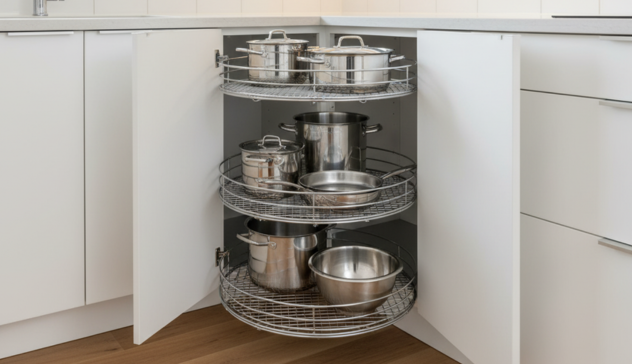
Designing Multifunctional Islands For Small Kitchens
Compact kitchen layouts benefit significantly from designs that integrate countertop extensions, allowing for practical meal preparation and impromptu dining without expanding the overall footprint. Choosing vinyl flooring alternatives enhances durability and brings eco-conscious qualities to small cooking spaces while maintaining aesthetic appeal.
Incorporating an induction cooktop within the workspace increases energy efficiency and safety, all the while preserving valuable surface area for other tasks.
Cleanlined cabinets contribute to a sleek appearance by reducing visual clutter and supporting organized storage within restricted square footage.
Applying ecoconscious paint helps improve indoor air quality, which supports healthier environments for food preparation. Thoughtful compartmentalization within these islands ensures ergonomic access, enabling users to complete culinary tasks more efficiently while maximizing every inch of available room.
Compact Kitchen Designs
- Countertop extensions provide additional workspace and dining areas without increasing kitchen size.
- Vinyl flooring options offer durability and eco-friendly benefits while enhancing kitchen aesthetics.
- Induction cooktops improve energy efficiency and safety, preserving countertop space for other uses.
- Clean-lined cabinets reduce visual clutter and promote organized storage in limited spaces.
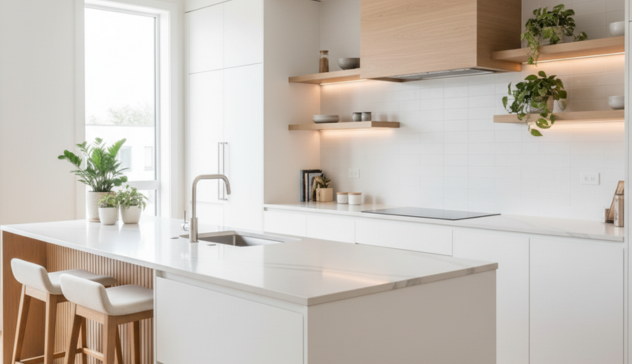
At Express Kitchens India, our minimalist kitchen designs focus on maximizing storage, durability, and everyday convenience especially in smaller or busy homes. By pairing white cabinetry with quartz countertops, we create clean, timeless kitchens that are easy to maintain and built to last. Thoughtful solutions such as vertical storage, pullout pantries, built-in appliances, and modular organization systems help keep countertops clutter-free while improving workflow. With the right layout, lighting, and cabinetry configuration, your kitchen feels more open, balanced, and effortless to use beautiful design that works just as hard as you do.
Frequently Asked Questions (FAQ's)
1. What makes modern cabinets good for minimalist kitchens?
Their clean lines and simple paneling support uncluttered design while offering long-lasting durability.
2. Are quartz countertops worth the investment in small kitchens?
Yes, quartz is stain-resistant, low-maintenance, and visually streamlined, ideal for compact spaces.
3. How do I maximize storage in a small kitchen?
Use vertical cabinetry, pull-out pantry systems, modular drawer inserts, and multifunctional islands.
4. Does open shelving increase clutter?
Not if curated intentionally open shelves encourage organization and can make kitchens feel larger.
5. Are built-in appliances better for minimalist kitchens?
Yes, built-ins help maintain a seamless, unified look and save valuable workspace.