


Jan 01,2026 / CABINETS
How To Design A Kitchen That Fits Your Cooking Style
You step into your kitchen, ready to whip up a family meal, but everything feels off. Pots bang against tight cabinets, ingredients hide in hard-to-reach spots, and the sink is miles from the stove. This chaos happens because many kitchens chase looks over real use. A smart kitchen design starts with your cooking style. It puts your habits first, not passing fads. Think workflow mapping—it's like charting a path for your daily tasks to make cooking smooth and fun.
Generic setups, like basic L-shaped counters, work for some but frustrate others. A home chef who loves big dinners needs space for chopping and stirring at once. In contrast, a busy parent wants quick grabs for tools. By mapping your moves, you build a space that boosts joy in every meal. This guide walks you through steps to create a kitchen that matches how you cook.
Why Cooking Style Should Drive Kitchen Design
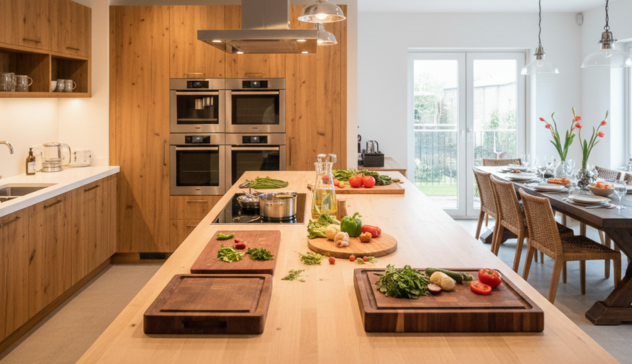
Forget paint colors and fancy tile for a minute. We need to talk about how you actually cook. Your personal cooking style must come before any design choices.
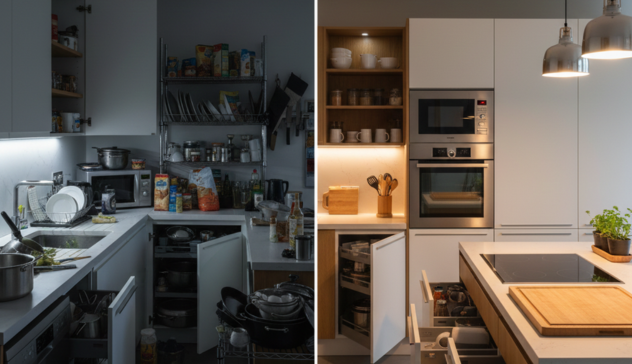
A kitchen that ignores your habits always fails. You get stuck with bad layouts that slow you down. Storage goes unused, wasting valuable space. Appliances you never touch just sit there taking up room. Countertops pile up with stuff quickly. Making dinner becomes a frustrating, stressful mess.
Now think about a smart design. When the kitchen truly fits your flow, cooking is fast and simple. Everything stays tidy and organized easily. It is also a much safer space to work every day. You will actually enjoy the time spent preparing meals. Plus, great function adds strong resale value later on.
The way you cook is the real starting point. Function always leads; the beautiful finishes come second.
Choosing the Right Kitchen Layout
Layout sets the base for any kitchen. High-end counters or shiny cabinets can't save bad flow. You bump into things or hunt for tools. Daily cooking turns frustrating.
Start here before picking colors or gear. The right setup boosts joy in your space. It matches your home size and habits.
Popular Layouts Explained Simply
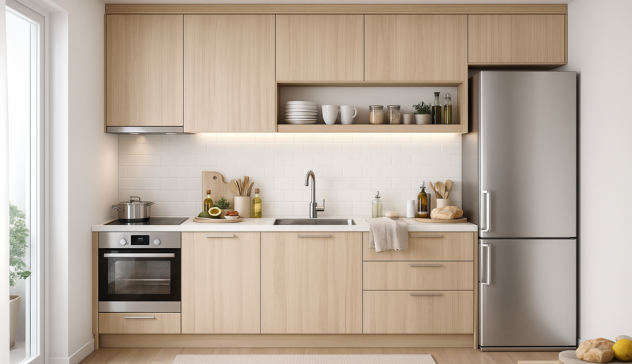
One-wall kitchen fits tight spots like small apartments. Sink, stove, and fridge line up straight. Quick grabs for light meals. No room for extras, but steps stay short.
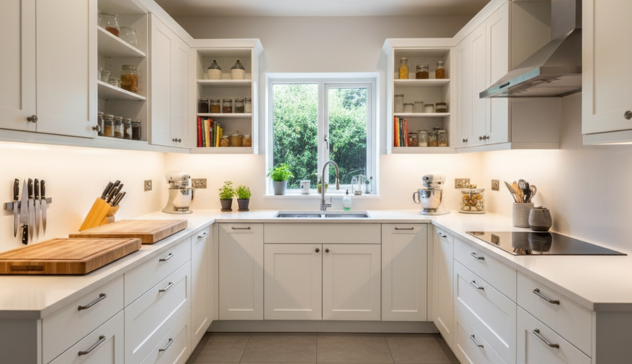
Galley kitchen shines in slim areas for big cooks. Two long counters run parallel. Walk down the middle. Like a boat's setup – grab knives from left, fire up the stove on the right. One person rules it fast.

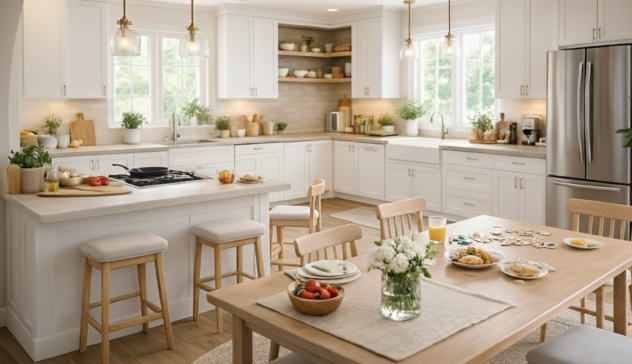
L-shaped kitchen turns a corner with two walls. Opens the room for easy moves. Two cooks dodge each other. Tuck a table at the end. Family chats flow smoothly.
U-shaped kitchen hugs three walls tightly. Counters galore for prep work. Chop onions, mix batter, plate food. Cabinets hide pots. Best in medium rooms.
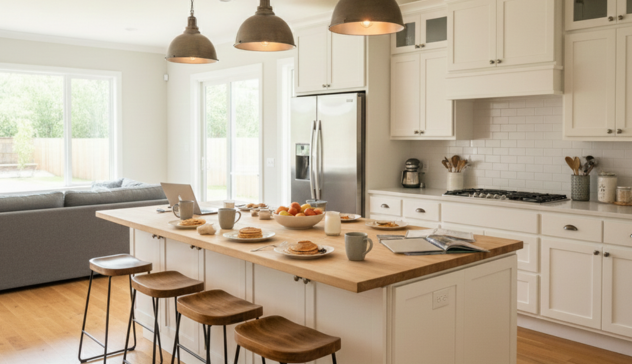
Island kitchen centers a big block amid base cabinets. Pull up stools for breakfast. Host friends while you stir the sauce. Needs an open floor – at least 10 feet wide. Families love the hub.
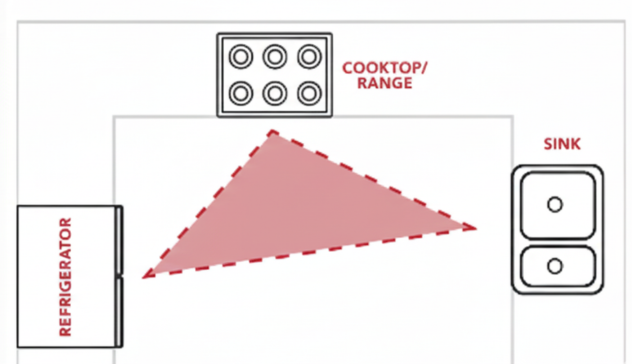
View the layout as kitchen traffic. Sink, stove, fridge form a tight triangle. Aim for four to nine feet between each. Clear paths cut steps by half.
Modular Cabinetry Benefits For Kitchen Design
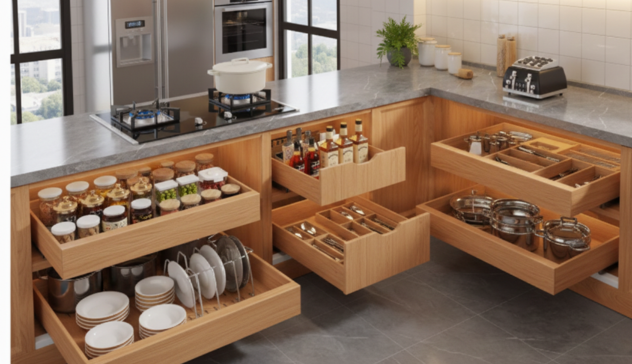
Modular cabinetry systems create flexible kitchen layouts. They easily adjust as your family’s cooking needs change. Modular parts make kitchen islands more useful. They offer multi-purpose surfaces and storage accessible from every side. This setup truly improves how you work in the kitchen.
You can use these systems to fix awkward corner spaces. Adjustable shelving and pull-out drawers maximize storage room. Everything stays easy to reach when you need it.
Adding undercabinet lighting is simple with modular units. Upgrades and maintenance become much easier. You avoid needing a huge remodeling job for basic updates.
Precision parts mean fewer mistakes during installation. Less material gets wasted, making this choice more affordable. It costs less than traditional, fully custom cabinets. Standard sizing helps built-in appliances fit right away. Your kitchen can easily grow later while maintaining a strong, unified style.
A smart layout boosts efficiency and kitchen safety. Soft-close hinges help extend the life of your cabinet boxes. Organizing drawers by utensil use saves preparation time. Research shows planning storage this way can cut down prep time by fifteen percent.
Tailored lighting schemes work best in cooking, cleaning, and preparation zones. Better light makes tasks highly visible. It also helps reduce your household energy use.
Matte finish cabinets offer storage flexibility. Adjustable shelves hold special cookware easily. This accommodates many different ways of cooking. Choosing eco-friendly materials also helps the planet. These sustainable options maintain visual appeal and structural strength.
Choosing Quartz Countertops For Durability
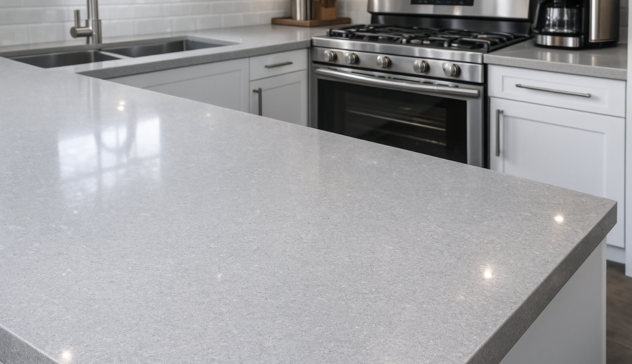
Made up of around 90-95% natural quartz crystals mixed with polymer resins, this stuff has got a robust, non-porous surface that's perfect for kitchens where you've got a dual-fuel range.
What sets it apart is how resistant it is to scratches and that nasty microbial growth, so you don't have to worry about sealing it all the time like you would with granite - that's a huge time-saver.
The heat resistance it has is okay, but be careful with it - it doesn't like getting slammed with sudden temperature changes, so if you put it next to a glass-front cabinet or a cooking zone you'll need to think a bit more about it.
One of the good things about engineered quartz is that it gives you a uniform look - no more of those pesky imperfections in natural stone that can make your kitchen look a bit tired and dated. It really suits a good ergonomic design and keeps your kitchen looking consistent from one end to the other.
To keep it looking good for as long as possible, just steer clear of thermal shock and use mild cleaning agents rather than harsh chemicals - that way you can keep it looking nice and shiny, even in busy areas like the corner of your kitchen or near a breakfast nook.
Incorporating Farmhouse Sinks In Modern Kitchens
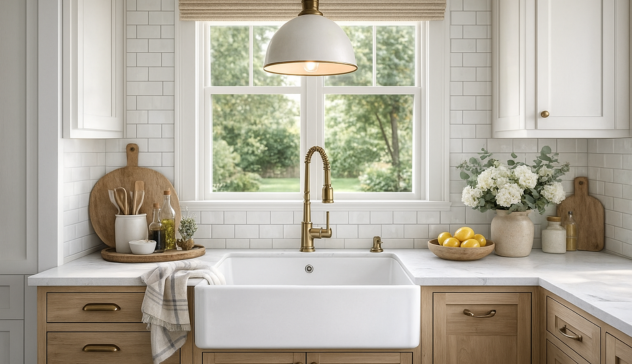
Kitchen design typically incorporates a range of sink styles that look great and do the job They'rent all created equal, though - fireclay models really shine through their glazing process, which not only makes them more stain resistant but also lets them hold onto heat longer than your standard stainless steel option
Cast iron on the other hand is a sturdy option, but it does require some special handling - because it's so heavy and has a thick enamel coat, it needs a bit of extra support to set up properly, which can impact the overall installation and demands some careful planning upfront
When you go with quartz countertops, you need to be pretty precise with your measurements to avoid getting any gaps that might be prone to moisture - that way you can be sure you get a smooth fit that'll really last.
Deeper basins can be a bit of a challenge for drainage, but most of the time, it's not too much trouble to adjust for them and still manage to keep the workflow in your kitchen humming along just fine. Plus, sinks like these tend to muffle sound pretty well, which can actually make a big difference in the overall noise level
You can really make a fireclay sink pop with some clever lighting and decor - a pendant light above the sink can add a nice touch to the apron-front design and draw attention to its functional and stylish presence. Even something as simple as some reclaimed wood accents can complement the rustic-chic vibe of these sinks really well.
Designing With Tile Backsplash For Style And Function
Porcelain and ceramic tiles are seriously tough and water-repellent - perfect for an induction cooktop area where things can get pretty messy. Glass tiles, on the other hand, have this seriously cool side effect of bouncing light around the kitchen which basically just makes it feel brighter - and it looks even better with some floating shelves.
Natural stone tiles create an organic texture in kitchens but need specific sealants to maintain their vintage appearance.
Metal tiles create a contemporary look while their antimicrobial characteristics help maintain hygiene in the area surrounding wine storage racks.
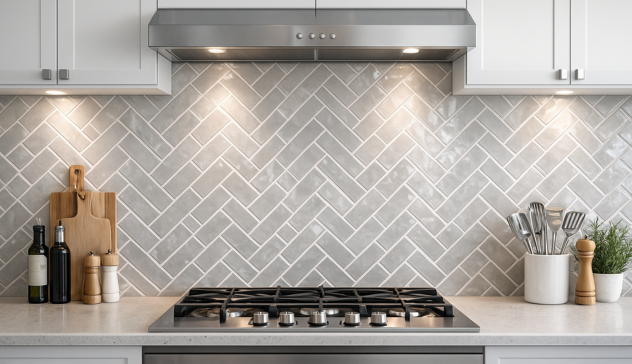
The herringbone pattern design creates two benefits for visual design while it minimizes grout lines which results in easier cleaning operations that match the requirements of areas with rollout trays. The combination of pH-neutral cleaning agents with steam tools enables effective grout preservation which protects high-traffic areas near wine storage racks.
Adjusting backsplash height and integrating custom lighting further safeguards walls and enhances functionality during meal preparation tasks.
Kitchen Tile Choices and Maintenance
- Porcelain and ceramic tiles are highly water-resistant and durable, making them ideal for areas near induction cooktops.
- Glass tiles enhance ambient lighting by reflecting light, which complements floating shelves and brightens the kitchen environment.
- Natural stone tiles require specialized sealants to maintain their vintage style and protect their organic texture.
- Innovative patterns like herringbone reduce grout lines, simplifying cleaning and improving functionality in areas with rollout trays.
Choosing Modular Cabinetry For Functionality
The organization of kitchens improves through customizable storage systems because these systems provide exact measurements to store cookware and utensils of different sizes. The design of compact solutions allows them to fit into limited spaces which creates an organized kitchen area without needing additional room.
The combination of high-density plywood with heat-resistant finishes provides the necessary durability to withstand both ambient lighting and humidity changes.
The integrated refrigerator design creates a continuous visual appearance which enables easy traffic flow through the kitchen space.
The design of cabinetry systems includes ergonomic elements which help users avoid physical discomfort when they spend long periods preparing meals. The modular design of zoning areas enables flexible workflow operations that accommodate different cooking methods and equipment usage.
The selection process for modular units requires assessment of three essential factors which include material strength and design adaptability and integration capabilities with current kitchen elements to achieve both functional excellence and aesthetic appeal.
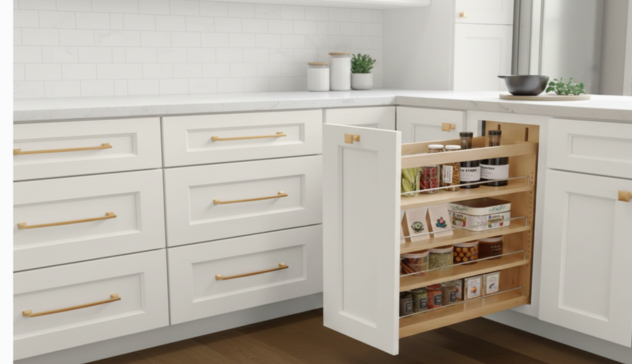
Maximizing Space With Pullout Pantry Solutions
Kitchen renovation projects achieve better organization through dedicated storage systems which use narrow vertical spaces to maximize space without expanding the kitchen dimensions. The storage units become more functional when drawer organizers are added because they create separate areas which help users organize their belongings better and access their items easily.
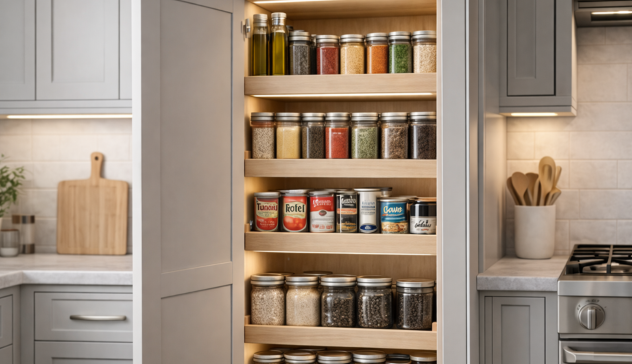
The strategic placement of industrial lighting inside pullout compartments improves visibility which enables staff to detect hidden products and reduce the amount of wasted food.
The system operates smoothly and lasts longer because it uses traditional cabinetry materials with smooth durable glides which most people fail to consider during their remodeling work.
The LED task lighting system provides clear illumination of contents which helps users find information more quickly. The adjustable shelving system allows users to personalize their storage based on their cooking preferences which results in optimized kitchen operations through efficient storage solutions.
Kitchen Storage Systems
- The kitchen storage system uses slim vertical compartments which enable maximum storage capacity without requiring any additional kitchen area.
- The storage areas of drawer organizers become more accessible because they divide the space into separate sections which helps users find their items easily.
- Industrial and LED task lighting inside compartments enhance visibility and reduce food waste.
- Classic cabinetry materials with durable glides ensure long-lasting and smooth operation.
At Express Kitchens, we believe a great kitchen starts with understanding how you cook. This guide explores how designing your kitchen around your cooking habits—whether you’re a daily home chef or a busy family—can dramatically improve workflow, comfort, and functionality. From choosing the right layout and modular cabinetry to durable quartz countertops, farmhouse sinks, smart storage solutions, and efficient lighting, every design choice plays a role in creating a kitchen that works as beautifully as it looks. With expert planning and practical materials, Express Kitchens helps homeowners build kitchens that are easier to use, easier to maintain, and built for real life.
FAO's
1. How do I design a kitchen layout based on my cooking style?
To design a kitchen based on your cooking style, start by mapping how you move between the sink, stove, refrigerator, and prep areas. Home chefs may need larger prep zones and storage, while busy families benefit from quick-access layouts and efficient cabinetry. A layout that follows your daily habits improves workflow, safety, and long-term comfort.
2. What is the best kitchen layout for frequent cooking?
The best kitchen layout for frequent cooking is one that minimizes steps and keeps tools within reach. Galley, U-shaped, and island kitchens work well for active cooks because they provide ample counter space, organized storage, and clear work zones for preparation, cooking, and cleaning.
3. Why is modular cabinetry important in modern kitchen design?
Modular cabinetry is important because it offers flexible storage, adjustable shelves, and easy upgrades without major remodeling. It helps maximize space, improves organization, and adapts to different cooking needs, making kitchens more efficient and easier to maintain over time.
4. Are quartz countertops good for busy kitchens?
Yes, quartz countertops are ideal for busy kitchens because they are non-porous, resistant to stains and scratches, and require minimal maintenance. Their consistent appearance and durability make them a popular choice for kitchens with high daily use.
5. How can I improve kitchen functionality without a full remodel?
You can improve kitchen functionality by optimizing storage with pull-out pantry systems, upgrading to modular cabinets, improving lighting under cabinets, and choosing layouts that reduce unnecessary movement. These changes enhance efficiency and usability without requiring a complete renovation.