


Oct 23,2025 / CABINETS
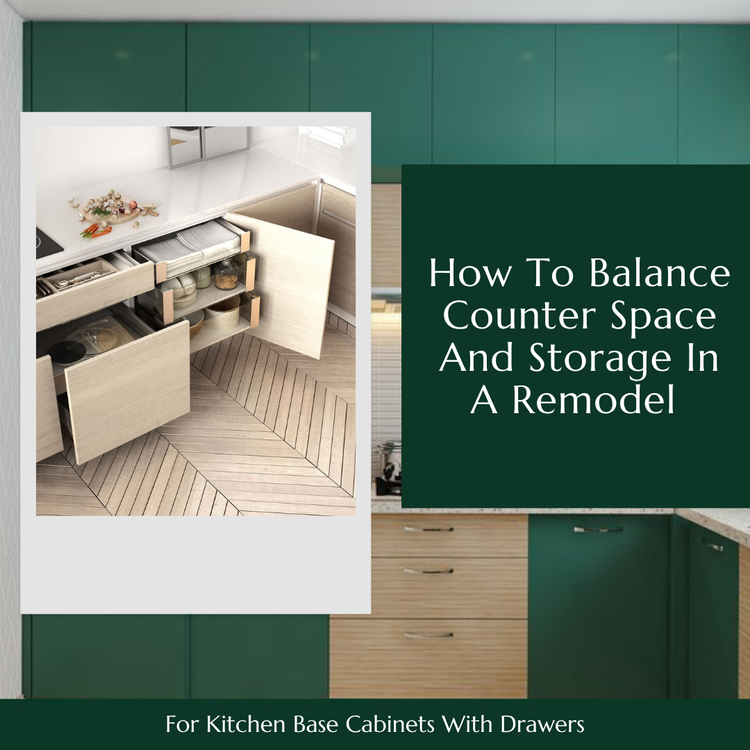
How To Balance Counter Space And Storage In A Remodel For Kitchen Base Cabinets With Drawers
Designing a kitchen layout demands careful consideration of cabinet organization to ensure optimal usability without sacrificing countertop materials for meal preparation or social interaction. Modular kitchen design enables customized drawer sizes and placements, accommodating various kitchen items from flatware to bulky pots while preserving surface area for practical tasks.
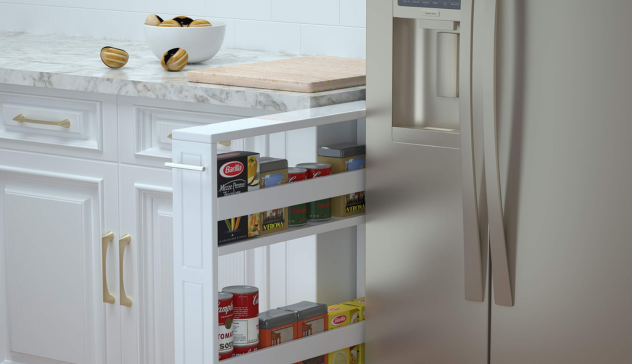
Incorporating features such as pullout pantry units within base cabinets provides additional storage solutions that blend seamlessly with overall design themes.
Undercabinet lighting enhances visibility inside drawers, facilitating efficient access and orderly arrangement of contents.
Selecting durable materials alongside thoughtful drawer configurations plays a significant role in balancing functional storage with aesthetic appeal throughout the kitchen remodel.
Maximizing Cabinet Organization In Remodel
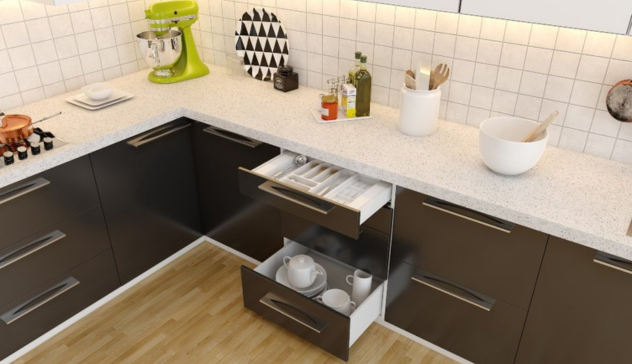
Efficiently utilizing available space with modular storage inserts allows cabinets to accommodate various dimensions, including specialized corner cabinet solutions, without altering overall kitchen size. Sustainable materials selected for these inserts offer enhanced moisture resistance and longevity compared to conventional wood counterparts.
Vertical storage options, such as custom dividers and tiered racks, can increase capacity by nearly 30%, supporting a minimalist storage approach while preserving neatness.
Multi-functional components integrated spice racks and concealed trash bins maximize interior door space, minimizing clutter on countertops.
Tailoring custom cabinetry designs to specific kitchen layouts ensures optimal usability while maintaining cohesive aesthetics.
Choosing Durable Countertop Materials
Granite’s unique mineral composition comprises interlocking quartz and feldspar crystals, which grant scratch resistance superior to many natural stones. Quartz surfaces consist of over 90% quartz combined with resin, offering controlled porosity that helps prevent staining without requiring additional sealing.
Solid surface materials such as acrylic can be sanded to repair scratches, improving their overall longevity and maintaining appearance.
Kitchen island storage arrangements should consider variations in heat tolerance; granite’s durability near cooktops depends on its specific mineral content, influencing its placement.
Laminate surfaces provide an economical option with varied aesthetics but tend to chip more easily and lack the resilience of engineered or natural stones. Incorporating softclose drawers alongside these durable surfaces can minimize edge damage caused by daily impacts, fostering extended countertop life and functionality.
Countertop Materials
- Granite’s interlocking quartz and feldspar crystals provide superior scratch resistance compared to many natural stones.
- Quartz surfaces are made of over 90% quartz combined with resin, offering controlled porosity that helps prevent staining without extra sealing.
- Acrylic solid surface materials can be sanded to repair scratches, enhancing their longevity and appearance.
- Laminate surfaces are a cost-effective option with varied aesthetics but are more prone to chipping and less durable than engineered or natural stones.
Incorporating Modular Kitchen Design
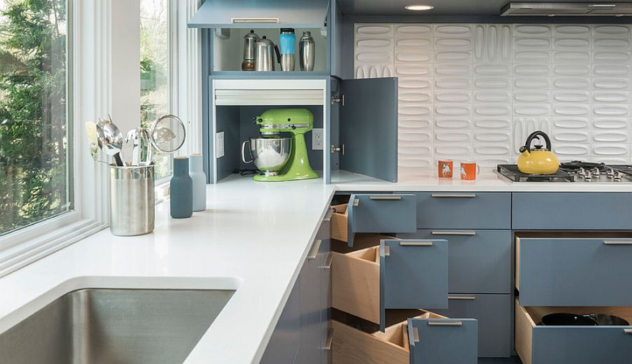
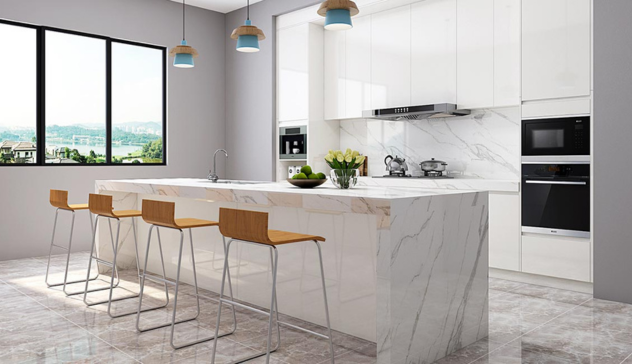
Efficient use of space is enhanced through pre-fabricated units tailored to fit irregular kitchen layouts without the need for costly custom construction. These modular units incorporate features such as drawer dividers, which systematically organize utensils and reduce clutter, while appliance garages conceal small appliances to maintain a clean countertop.
Optimizing kitchen ergonomics, these designs minimize physical strain by positioning storage and work areas within easy reach, improving overall workflow.
Specialized compartments for trash and recycling bins streamline waste management within compact spaces, promoting environmental responsibility.
Maintenance is simplified due to standardized components allowing for easy replacement of individual parts, which extends the kitchen’s functional lifespan. Collectively, these elements contribute to a highly adaptable environment that surpasses traditional cabinetry solutions in usability and spatial efficiency.

Benefits Of Pullout Pantry Solutions
Efficient kitchen layouts benefit significantly from storage solutions that maximize narrow spaces often overlooked by conventional cabinetry. Wallmounted racks and pullout compartments optimize vertical storage by allowing shelves to fully extend, granting unobstructed access to pantry items without the need for constant rearrangement.
These systems enhance clutter management through customizable dividers designed to accommodate odd-shaped or bulky goods, ensuring items remain organized and easy to locate.
Integrating pullout features maintains the sleekness of modular kitchens by complementing built-in appliances while increasing overall storage capacity.
When installing these units, selecting moisture-resistant materials is important to prevent warping in humid conditions, thereby preserving long-term durability. Employing soft-close, full-extension slides safeguards pantry contents against sudden impacts and guarantees smooth operation, contributing to user satisfaction over time.
Enhancing Kitchen With Undercabinet Lighting
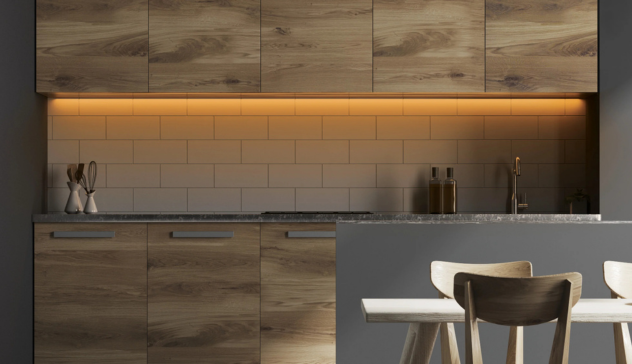
Modern LED fixtures placed beneath cabinetry enhance countertop visibility by eliminating shadows, which directly supports storage optimization through clearer work surfaces. Targeted lighting arrangements in smaller kitchens foster the perception of increased space, simplifying the use of multifunctional furniture and improving overall kitchen efficiency.
Adjustable color temperatures allow users to switch between bright, energizing illumination and warmer, subdued tones that harmonize with cabinetry hardware finishes and varying levels of natural light.
Slim-profile LEDs emit minimal heat, protecting sensitive countertop materials while lowering energy consumption.
Thoughtfully positioned lighting emphasizes pantry contents and drawer layouts, boosting accessibility and aesthetic appeal without overcrowding spaces or disrupting kitchen flow with spacesaving tools.
Corner Cabinet Solutions For Extra Storage
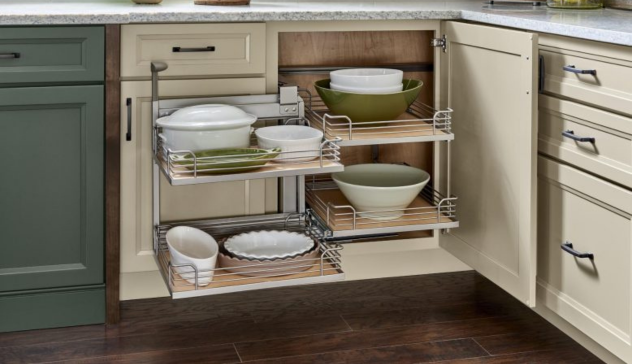
Specialized hardware enhances utilization of compact kitchen zones often overlooked during renovation tips, increasing storage efficiency without compromising quartz surfaces. Pull-out trays and lazy Susans facilitate seamless access to deep corner compartments, minimizing the need to shift or remove multiple objects.
Combining reclaimed wood cabinets with modular inserts allows for customized multi-tiered arrangements, boosting vertical storage capacity while preserving countertop space.
Cabinet refacing presents an effective method for upgrading existing units with these innovative features, resulting in enhanced durability and smoother operation through improved materials.
Pantry pullouts designed for integration within corner spaces promote superior organization, offering adaptable storage solutions suited to diverse kitchen configurations.
Kitchen Storage Enhancements
- Pull-out trays and lazy Susans improve access to deep corner compartments, reducing the need to move multiple items.
- Reclaimed wood cabinets combined with modular inserts enable customized multi-tiered storage, increasing vertical capacity without sacrificing countertop space.
- Cabinet refacing upgrades existing kitchen units by incorporating advanced materials that enhance durability and ensure smoother operation.
- Pantry pullouts designed for corner spaces offer adaptable storage solutions that fit various kitchen layouts for better organization.
Open Shelving Vs Closed Cabinets
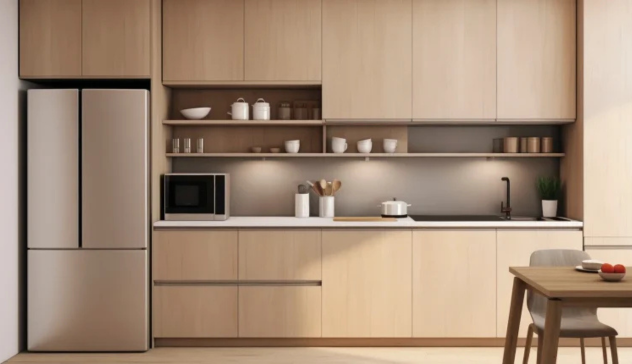
Kitchen organization significantly influences both functionality and spatial perception. Open shelving encourages visual openness and quick item retrieval but requires frequent maintenance to manage dust and grease, especially under specific lighting solutions.
Closed cabinets offer protected storage areas that prevent dust accumulation, promote varied utensil storage, and help diminish visual clutter.
Utilizing materials like plywood improves cabinet resilience and supports precise layout planning.
While open shelves can create an illusion of more room, oversized units might encroach upon countertop space. Conversely, closed cabinetry often integrates doubledeep drawers which enhance storage capacity without sacrificing surface areas.
Deciding between these approaches involves weighing ease of access, upkeep demands, and overall kitchen illumination for optimized functionality.
Integrating Softclose Drawers In Base Cabinets
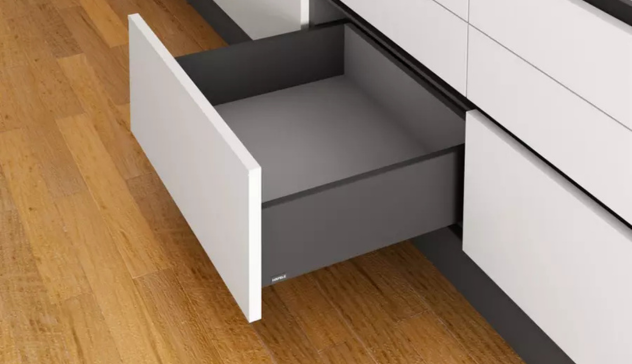
Hydraulic dampers incorporated in drawer mechanisms significantly reduce noise levels, creating a quieter kitchen atmosphere that often goes unnoticed compared to countertop seating areas. These systems protect cabinet hinges by absorbing the impact when closing, thus prolonging the functional lifespan of base cabinets crafted from plywood.
Space optimization is enhanced through full-extension drawer capabilities, allowing users to access stored items efficiently without sacrificing storage baskets or adjustable shelving options.
Compatibility with shaker cabinet designs ensures a harmonious fit within diverse kitchen aesthetics while promoting safety by preventing finger injuries during closure, a feature especially valuable in busy family kitchens with glassfront cabinets nearby.
Using Drawer Dividers For Utensil Storage
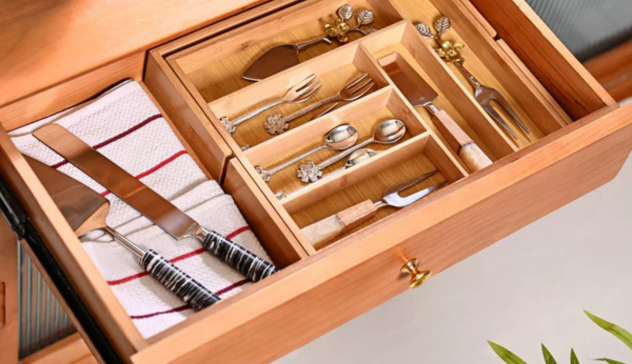
Maintaining kitchen hygiene benefits greatly from bamboo drawer inserts, which naturally inhibit bacterial growth within utensil compartments. Selecting dividers requires precise measurement of drawer inserts to optimize space utilization without causing clutter or inefficiency.
Plastic materials facilitate easy cleaning routines, while metal options demand rust-resistant treatments to prolong durability in undersink storage.
Positioning dividers according to utensil use frequency reduces retrieval time, streamlining everyday cooking activities and complementing open concept storage designs.
Adjustable dividers offer seasonal flexibility, adapting to changes in utensil size and quantity and accommodating specialized tools such as builtin cutting boards or holiday-specific items. Regular maintenance involves thorough cleaning to eliminate debris buildup, preserving divider function and extending the lifespan of storage solutions.
Optimizing Kitchen Workflow With Storage
Designing storage to enhance kitchen workflow efficiency often revolves around minimizing unnecessary movement and optimizing spatial use. Work triangle optimization plays a significant role by strategically positioning the sink, stove, and refrigerator for fluid motion.
Base cabinet pullouts offer an innovative approach, allowing appliances and cookware to be stored within easy reach while maintaining clear countertops.
Lazy Susan cabinets excel in utilizing corner spaces, turning often neglected areas into practical zones that reduce retrieval time.
Backsplash tiles featuring integrated magnetic strips create concealed storage for utensils and knives, combining functionality with aesthetic appeal. Such arrangements support ergonomic movement, fostering a natural cooking sequence and lowering physical strain during food preparation.
Balancing accessibility with visual neatness, these storage solutions adapt well to diverse kitchen layouts and individual user needs, ultimately contributing to a streamlined and efficient workspace.
Kitchen Storage Design
- Work triangle optimization positions the sink, stove, and refrigerator to enable smooth movement during cooking.
- Base cabinet pullouts keep appliances and cookware within easy reach while freeing up countertop space.
- Lazy Susan cabinets maximize corner space, turning unused areas into efficient storage zones.
- Backsplash tiles with integrated magnetic strips provide concealed and accessible storage for utensils and knives.
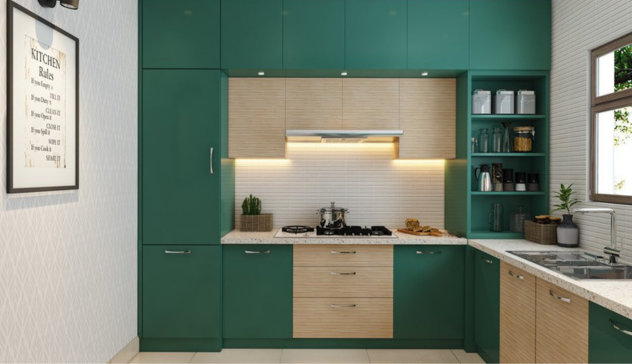
Designing a functional kitchen requires balancing organization, durability, and aesthetic appeal. From modular cabinets and pullout pantries to durable countertops and soft-close drawers, every element plays a vital role in improving usability and storage efficiency. Features like undercabinet lighting, corner cabinet solutions, and drawer dividers enhance accessibility while maintaining a clean, cohesive design. By focusing on ergonomics, materials, and smart space utilization, modern kitchens achieve both practical comfort and timeless style, ensuring every inch works beautifully.
For personalized kitchen design and installation expertise, call or visit Express Kitchens today and start creating your perfect space.
Frequently Asked Questions
1. How does modular kitchen design improve functionality?
Modular kitchens provide flexibility through custom-sized drawers, pullout units, and organized storage layouts. They help maximize available space, ensure accessibility, and create a cohesive flow suited to both compact and large kitchens.
2. What are the most durable materials for kitchen countertops?
Granite and quartz are top choices due to their scratch resistance, heat tolerance, and easy maintenance. For budget-friendly options, laminate and solid surface countertops offer good aesthetics but require more care over time.
3. Why should I include pullout pantries in my kitchen remodel?
Pullout pantries optimize narrow or unused vertical spaces, making it easy to access ingredients without constant rearranging. Their custom dividers and soft-close slides enhance organization while maintaining a sleek, modern look.
4. What’s the benefit of adding undercabinet lighting?
LED undercabinet lights eliminate shadows, improve visibility, and enhance kitchen ambiance. They also protect sensitive surfaces by producing minimal heat and reduce energy consumption, making them ideal for everyday use.
5. Are soft-close drawers worth including in base cabinets?
Absolutely. Soft-close drawers reduce noise, prevent slamming, and extend cabinet life by absorbing impact. They pair well with shaker-style designs, ensuring safety and convenience in high-traffic family kitchens.